How to Balance Expense and Quality When Selecting an Assisted Living Facility
Business Name: BeeHive Homes of Gallup
Address: 600 Gurley Ave, Gallup, NM 87301
Phone: (505) 591-7024
BeeHive Homes of Gallup
Beehive Homes of Gallup assisted living care is ideal for those who value their independence but require help with some of the activities of daily living. Residents enjoy 24-hour support, private bedrooms with baths, medication monitoring, home-cooked meals, housekeeping and laundry services, social activities and outings, and daily physical and mental exercise opportunities. Beehive Homes memory care services accommodates the growing number of seniors affected by memory loss and dementia. Beehive Homes offers respite (short-term) care for your loved one should the need arise. Whether help is needed after a surgery or illness, for vacation coverage, or just a break from the routine, respite care provides you peace of mind for any length of stay.
600 Gurley Ave, Gallup, NM 87301
Business Hours
Families hardly ever begin taking a look at assisted living from a calm, leisurely location. More often it begins after a fall, a hospital stay, or a sluggish realization that a parent is no longer safe living alone. Feelings run hot, cash feels tight, and the stakes are painfully high. You desire your loved one safe, cared for, and appreciated, but you also do not want to threaten retirement savings or future care needs.
Balancing cost and quality is less about finding a best deal and more about making informed tradeoffs that fit your family's values, health realities, and monetary photo. After years of working with families and centers in senior care, I have seen mindful, methodical options pay off, and I have also seen hurried choices create tension and regret.
This guide walks through how expense and quality intersect in assisted living, and how to make decisions that are both caring and economically rational.
Why the cost versus quality tension feels so hard
Assisted living, respite care, and other kinds of elderly care are not like purchasing a cars and truck or picking a getaway. You are not just purchasing an item. You are choosing where a person will wake up, eat, bathe, and be helped through some of the most susceptible years of life.
Several factors make decisions around senior care particularly difficult:
First, prices is complex. There is the base rent, then levels of care, medication management fees, incontinence supplies, transport charges, and often extra fees for things you presumed were included.
Second, quality is difficult to determine. Brochures reveal nice furniture and landscaped courtyards. None of that informs you whether the night shift answers call bells immediately or whether personnel turnover is constant.
Third, feelings run deep. Adult children might feel guilty cutting costs, even if the parent demands thriftiness. Siblings often disagree on what is "good enough."
Recognizing that the stress is normal can help you slow down and utilize a more structured approach rather of responding simply from fear or guilt.
Understanding what you are in fact paying for
The first step in balancing expense and quality is just comprehending the pieces of the costs. Numerous families focus on the monthly overall without seeing how that number is built.
Types of senior living and what they really mean
The label on the building matters less than the services it provides. A couple of typical designs:
Assisted living usually supplies aid with activities of daily living such as bathing, dressing, toileting, and medication pointers in a home or personal space setting. It is not a medical center in the very same way as a nursing home, but it is more supportive than independent senior housing.
Memory care is a specialized form of assisted living for individuals with dementia. Systems are typically protected, with structured routines and staff trained in dementia interaction and habits assistance. These programs typically cost more because staffing needs are higher.
Nursing homes or competent nursing centers offer 24 hr nursing oversight and more intensive healthcare. These are proper when someone requires complex wound care, regular tracking, or rehabilitation after a severe hospitalization.
Respite care is brief term senior care, typically in an assisted living or memory care setting, that allows household caretakers a break. Remains may last a couple of days to a couple of weeks. Although respite care is momentary, the cost structure resembles long term stays when calculated on an everyday basis.
The trick is to match level of care to present requirements, while thinking ahead about the likely trajectory. Paying for knowledgeable nursing prematurely wastes resources. Picking a center that can not manage progressing dementia can require a costly and disruptive move later.
Where the money in fact goes
Most centers break costs into a few categories, even if they provide it as one figure on a shiny flyer.
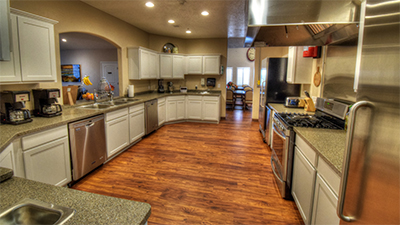
Base rent generally covers the apartment or space, basic utilities, developing upkeep, and frequently housekeeping and fundamental laundry. Area, space size, and whether the system is private or shared all influence this amount.
Care level costs are connected to how much assistance your loved one requirements. A person who just requires reminders to shower two times a week will fall into a lower tier than somebody who needs hands on assist with transfers, toileting, and daily dressing. Facilities usually examine residents before relocation in and assign a "care level" that translates into a regular monthly fee.
Medication management fees cover personnel time to store, arrange, and administer medications. This may be a flat month-to-month charge or depend upon the number of medications and administration times per day.
Additional services can include transportation, beauty parlor visits, specialized activities, incontinence products, extra housekeeping, or cable and internet plans. These look small line by line, but they add up.
When you tour, ask to see a mock expense for somebody with similar requirements. That single page typically tells you more about the genuine cost of assisted living than any brochure.
The main chauffeurs of cost, in plain language
It helps to have a brief checklist in mind when you compare pricing from various communities.
Major cost motorists in assisted living:
- Location and real estate expenses, especially in urban or high demand suburban areas
- Apartment type, such as studio versus one bed room, personal versus shared
- Intensity of care requirements, for example aid with one activity of daily living versus a number of
- Specialized programs, especially memory care or high acuity systems
If one community looks dramatically more affordable, examine those four areas first. Frequently the distinction originates from a smaller room, less care hours consisted of, or a less extensive staffing model.
What "quality" truly suggests in assisted living
Quality is not the waterfall in the lobby or the number of meals on the menu. Those are facilities, and while they might matter for convenience, they are not the core of safe, dignified elderly care.
Over time, the elements that matter most fall into a few categories.
Staff stability and staffing levels
Ask any experienced geriatric nurse what matters most and you will hear some version of: personnel who know the citizens and have time to care.
Facilities seldom promote personnel to resident ratios in huge print, but you can ask. Ratios vary in between day and night shifts and between assisted living and memory care. A community that looks modest but has stable, long term caretakers who know homeowners deeply typically offers better senior care than a luxury home with consistent firm staff and regular turnover.
Look for small but telling information. Are personnel calling locals by name without inspecting charts? Do you see the exact same faces throughout multiple visits, or totally different individuals each time? Do assistants seem rushed and worried, or do they have a few minutes to talk with residents?
Higher staffing levels cost cash. Communities that keep staffing at bare minimums can use lower rates, but the tradeoff normally shows up as slower call response times, less one on one attention, and more reliance on families to fill gaps.
Training and clinical oversight
Most assisted living settings assisted living are social and supportive rather than medical, however you still desire some clinical backbone.
Ask who oversees resident care plans. Is there a registered nurse on site throughout the day? On call in the evening? How frequently are residents reassessed? How are changes in condition communicated to families and physicians?
Better quality facilities purchase ongoing staff training, particularly in locations like dementia care, fall prevention, and safe transfers. Training requires time and money, however it pays off in fewer avoidable hospitalizations and a calmer, more predictable environment.
Culture you can feel, not simply check out about
Culture is hard to fake. During a tour, you can often notice whether locals feel comfortable or managed.
Watch how staff talk to residents. Are they talking to the person straight, or just to accompanying household? Do they bend down to eye level, or talk over someone in a wheelchair? Do locals look engaged in activities, or parked in front of a television?
Quality culture appears in how the facility manages small day-to-day disappointments. For example, if a resident declines a shower, do staff treat it as a challenging habits to "repair," or as a hint to try once again later with a various approach?
Higher quality culture does not always imply granite countertops. Some of the most gentle assisted living neighborhoods sit in older structures with modest furnishings, yet treat homeowners with deep regard. Those are often the places where your money buys actual care rather than appearances.
Mapping quality concerns to your budget
Very few families have limitless resources. That means you must decide where to spend and where you want to compromise.
A beneficial method is to identify your "non negotiables" and your "nice to haves." Non negotiables typically touch safety, self-respect, and necessary comfort. Great to haves relate more to aesthetic appeals and extras.
Common non negotiables:
Resident safety, especially fall threat management and medication precision.
Respectful, person focused care. No tolerance for rough handling or demeaning language.
Reasonable staffing, specifically on nights and nights, when fewer managers are watching.
Ability to manage predicted health modifications over the next couple of years, so you do not have to move your loved one consistently.
Common "great to haves" that people sometimes pay too much for:
Brand brand-new building, luxury finishes, or outstanding lobbies.
Extensive activity calendars that look excellent on paper but are lightly attended.
Multiple dining establishment style dining venues instead of one well run dining room.
Private apartments larger than your loved one genuinely needs or will utilize.
Once you are clear that, for instance, stable caregiving staff matter more than a pool or a theater room, it ends up being easier to ignore fancy however shallow options.
Assessing your financial reality without wishful thinking
Before you visit lots of communities, draw up what you can reasonably manage for assisted living over a number of years, not simply the first few months.
Start with existing income: Social Security, pensions, annuities, rental income, and any part-time work.
Then look at possessions: savings, investments, home equity, life insurance coverage with money worth, and long term care insurance coverage if it exists.
Estimate a likely timeframe. Individuals often underestimate how long they may require senior care. While individual circumstances vary, many locals invest three to five years in assisted living or memory care. Some remain much longer.
Factor in future health escalation. Expenses often increase with care requirements. If your parent is quite independent today, but has progressive dementia or a persistent condition, assume their level of care fees will increase in time.
Do not forget the well partner. If one partner is moving into assisted living while the other stays in your home, make sure you are safeguarding enough earnings and possessions for the spouse who is not getting in care.
This exercise is seldom comfy, but it prevents uncomfortable surprises later on, such as realizing you can not sustain a selected facility when care requirements and charges increase.
Using respite care as a trial run
Respite care can be a tactical tool, not simply an emergency patch.
If you feel uncertain whether your loved one will adapt to communal living, organizing a short term stay of a week or 2 in an assisted living community supplies a genuine test. You will find out how staff in fact operate on an ordinary Tuesday, not simply the day of a sleek tour.
Respite stays normally cost more per day than a long term contract, but the details you get can prevent a costly misstep. You will see how your loved one reacts to the environment, whether they participate in activities, and how staff handle individual routines such as bathing and toileting.
Some families rotate respite care at different communities to compare quality before devoting. For those offering intense hands on care in your home, respite likewise provides much needed rest, which helps you make clearer decisions.
What to try to find during tours, beyond the brochure
A facility tour is a bit like an open house when you purchase a home. You are seeing a staged version of truth. Your task is to look past the staging.
Try to visit at different times of day. Late afternoon, often called "sundowning" time for individuals with dementia, exposes how personnel handle agitation or tiredness. Early nights show you staffing on supper service and shift changes.
Pay attention to smells, but not in the superficial sense. Periodic odors happen anywhere handling incontinence. The question is how staff respond. A relentless, heavy odor that never ever alters suggests chronic understaffing or poor routines.
Watch call lights and staff reaction. The length of time do call lights stay on before somebody answers? Are staff strolling quickly with function or sprinting in consistent crisis mode?
Listen for how personnel discuss residents when they believe you are not listening carefully. Do they describe people as "hard" and "wanderers," or as people with histories and preferences?
Key concerns to ask on a tour
Use a small set of pointed concerns instead of a long list that tires everybody. The objective is to uncover how the place genuinely functions day to day.
- How do you decide what level of care a resident needs, and how frequently do you reassess that level?
- What is your typical staff to resident ratio on days, evenings, and nights, and how do you deal with call outs?
- When a resident's requirements increase, what kinds of changes can you accommodate here, and what would force a move to another setting?
- How do you interact with families about health modifications, falls, or habits issues, and how quickly?
- What does a common day appear like for someone with my loved one's abilities and interests, not simply what is on the official activity calendar?
Take notes immediately afterward while your impressions are fresh. Over multiple tours, patterns will emerge.
Where you can fairly conserve money without sacrificing safety
Families are typically surprised to learn that certain expense conserving choices do not always harm quality of care.
Room size is one of the simplest levers. Lots of older grownups moving into assisted living no longer need or use large spaces. A smaller studio apartment or condo or a shared suite can minimize monthly expenses considerably without impacting care quality, as long as there is adequate privacy and comfort.
Location within the building can impact cost. Ground floor or non view systems typically cost less. For some residents, being closer to the dining-room or activity center matters more than having a scenic view.
Amenities you can live without are another area. If your loved one does not swim, a pool does not validate a higher rate. If they choose peaceful reading to huge trips, you may not require a facility that prides itself on consistent group trips.
There are likewise situations where a somewhat older, less glamorous residential or commercial property run by an objective driven operator provides excellent care at a lower cost than a brand name brand-new luxury advancement. Do not equate newness with quality.
Where you should not cut corners
On the other hand, there are locations where compromising strictly for rate tends to backfire.
Chronic understaffing leads straight to missed out on care, postponed toileting, more falls, and higher frustration for homeowners and households. A community that can not fill shifts or relies greatly on company personnel might appear as a deal on paper, but the hidden costs surface area later as medical crises and household burnout.
Facilities that can not handle dementia related habits, or that lack safe memory care, can quickly ask you to hire personal aides at your own expense or to move your loved one after an occurrence. The stress and additional cost of an urgent transfer generally eclipse any early savings.
Contract terms that permit regular, unforeseeable fee hikes likewise should have caution. Modest yearly boosts to keep pace with incomes and inflation are regular. Open ended language that permits midyear boosts with little notice can strain your budget.

If a lower cost option compromises security, self-respect, or the ability to stay through anticipated health changes, the obvious savings often evaporate over time.
Reading the agreement like a skeptic
By the time you get a contract, lots of households feel emotionally committed. Try to stop briefly and read it as if you were recommending a stranger.
Focus on:
How care levels and associated fees are defined, including who chooses when a level modifications.
What is consisted of in the base rate, and which services are billed individually. Take note of laundry, transportation, and medication management.
Policies on rate boosts, both annual and mid contract. Request examples of past boosts over the last 5 years.
Notice and charges for moving out, whether voluntary or due to changing requirements.
Rules about private caretakers. Some neighborhoods enable you to generate outdoors assistants, others restrict this or charge extra coordination fees.
If the agreement feels vague where money is concerned, ask for composed information. Verbal guarantees, no matter how kind the administrator sounds, will not help you in a dispute.
Making different options for various family members
Within the same household, the best balance of cost and quality can look really various for each person.
A reasonably healthy 78 year old who needs mild oversight, medication suggestions, and social connection may flourish in a reasonably priced assisted living neighborhood with strong activities and a solid, if standard, care model. For that person, paying additional for comprehensive medical abilities might not be the best usage of funds.
An 88 year old with sophisticated cardiac arrest, diabetes, and a history of falls has a various danger profile. For them, you may prioritize a center with stronger medical oversight and greater staffing, even if that implies a smaller apartment or a less luxurious setting.
Spouses often present complex tradeoffs. In some cases the much healthier partner relocations into assisted living with the frailer one to remain together, despite the fact that their needs differ. In those cases, weighing the additional cost of a 2 individual house against the emotional and practical benefits ends up being a deeply personal decision.
There is no single right response, but being explicit about your reasoning assists prevent future dispute among brother or sisters and relatives.
Using outdoors knowledge without losing control
Financial planners, geriatric care supervisors, health center social workers, and elder law attorneys can all help you make much better decisions, especially in complex situations.
A geriatric care supervisor, for instance, can accompany you on trips, ask sharper concerns, and offer an independent view of quality. They cost cash, but sometimes save you from more pricey mistakes.
An elder law lawyer can explain how assisted living communicates with Medicaid eligibility in your state, assistance safeguard a spouse at home, and prepare files like powers of lawyer, which streamline medical and monetary choice making later.
Use professionals as advisors, not choice makers. They can lay out alternatives, however your family's values and finances still guide the final choice.
Accepting that excellence is not the goal
Families frequently carry unrealistic expectations into assisted living decisions. They wish for round the clock one on one attention, immediate call reactions, gourmet meals, and unlimited activities, all at a manageable rate. No facility, at any expense, meets all of those perfects all the time.
What you can aim for is a sufficient fit: a place where your loved one is safe, cured kindly, and able to live as individually as possible within their abilities, while your family can afford the take care of the long haul.
Balancing expense and quality indicates making peace with tradeoffs. You may select a smaller room in a neighborhood with excellent caregivers. You might accept older home furnishings in exchange for a strong memory care program. You might focus on foreseeable pricing over expensive amenities.
If, months later on, your loved one is calmly checking out in a bright chair, talking with personnel who understand their preferred dessert, and you are able to sleep at night without consistent concern, then your cautious balancing of cost and quality has done its job.
BeeHive Homes of Gallup provides assisted living care
BeeHive Homes of Gallup provides memory care services
BeeHive Homes of Gallup provides respite care services
BeeHive Homes of Gallup supports assistance with bathing and grooming
BeeHive Homes of Gallup offers private bedrooms with private bathrooms
BeeHive Homes of Gallup provides medication monitoring and documentation
BeeHive Homes of Gallup serves dietitian-approved meals
BeeHive Homes of Gallup provides housekeeping services
BeeHive Homes of Gallup provides laundry services
BeeHive Homes of Gallup offers community dining and social engagement activities
BeeHive Homes of Gallup features life enrichment activities
BeeHive Homes of Gallup supports personal care assistance during meals and daily routines
BeeHive Homes of Gallup promotes frequent physical and mental exercise opportunities
BeeHive Homes of Gallup provides a home-like residential environment
BeeHive Homes of Gallup creates customized care plans as residents’ needs change
BeeHive Homes of Gallup assesses individual resident care needs
BeeHive Homes of Gallup accepts private pay and long-term care insurance
BeeHive Homes of Gallup assists qualified veterans with Aid and Attendance benefits
BeeHive Homes of Gallup encourages meaningful resident-to-staff relationships
BeeHive Homes of Gallup delivers compassionate, attentive senior care focused on dignity and comfort
BeeHive Homes of Gallup has a phone number of (505) 591-7024
BeeHive Homes of Gallup has an address of 600 Gurley Ave, Gallup, NM 87301
BeeHive Homes of Gallup has a website https://beehivehomes.com/locations/gallup/
BeeHive Homes of Gallup has Google Maps listing https://maps.app.goo.gl/iMEbZo7VyH1tHATP9
BeeHive Homes of Gallup has TikTok page https://www.tiktok.com/@beehivehomesgallup
BeeHive Homes of Gallup has an YouTube page https://www.youtube.com/@WelcomeHomeBeeHiveHomes
BeeHive Homes of Gallup has Facebook page https://www.facebook.com/beehivehomesgallup
BeeHive Homes of Gallup has Instagram page https://www.instagram.com/beehivehomesofgallup/
BeeHive Homes of Gallup won Top Assisted Living Homes 2025
BeeHive Homes of Gallup earned Best Customer Service Award 2024
BeeHive Homes of Gallup placed 1st for Senior Living Communities 2025
People Also Ask about BeeHive Homes of Gallup
What is BeeHive Homes of Gallup Living monthly room rate?
The rate depends on the level of care that is needed. We do a pre-admission evaluation for each resident to determine the level of care needed. The monthly rate is based on this evaluation. There are no hidden costs or fees
Can residents stay in BeeHive Homes of Gallup until the end of their life?
Usually yes. There are exceptions, such as when there are safety issues with the resident, or they need 24 hour skilled nursing services
Do we have a nurse on staff?
No, but each BeeHive Home has a consulting Nurse available 24 – 7. if nursing services are needed, a doctor can order home health to come into the home
What are BeeHive Homes of Gallup's visiting hours?
Our visiting hours are currently under restriction by the state health officials. Limited visitation is still allowed but must be scheduled during regular business hours. Please contact us for additional and up-to-date information about visitation
Do we have couple’s rooms available?
Yes, each home has rooms designed to accommodate couples. Please ask about the availability of these rooms
Where is BeeHive Homes of Gallup located?
BeeHive Homes of Gallup is conveniently located at 600 Gurley Ave, Gallup, NM 87301. You can easily find directions on Google Maps or call at (505) 591-7024 Monday through Sunday 9:00am to 5:00pm
How can I contact BeeHive Homes of Gallup?
You can contact BeeHive Homes of Gallup by phone at: (505) 591-7024, visit their website at https://beehivehomes.com/locations/gallup/ or connect on social media via TikTok Facebook or YouTube
Ford Canyon/Veterans Park provides walking paths and scenic canyon views suitable for assisted living and elderly care residents during calm respite care outings.